


Shut The Box
4.7194.00 Reviews
App Specs
- Version
- 1.2.25982
- Updated On
- License
- Free
- Downloads
- 100,000+
- Developer
- FunCraft Games
- Categories
- Board
- Platform
- Android
Screenshots





 Analysis by AppCompare
I find a dice game works best on a phone when it gives me a clear decision without demanding a long session, and Shut The Box is built around just that kind of pause. Each turn asks me to weigh a roll against the numbered tiles still available, so the appeal is not only the chance of a lucky result but also deciding what to close and what to leave for later. It suits a spare moment at home or while waiting, though its familiar, compact format will not satisfy everyone looking for a deep strategy game.
What you get without paying
The game is free to download, which makes it easy to try before deciding whether it deserves a place on your device. It is a board game from FunCraft Games, and the basic appeal is straightforward: bring a traditional dice-and-number challenge to a mobile screen. The game is rated for Everyone, so its simple premise can work for mixed-age households, especially when an adult wants an easy game to explain.
There are in-app purchases, with items priced from $0.49 to $49.99. That is worth knowing before you tap through any purchase screens. I would treat the free access as the value to judge first rather than assume paid items are necessary; the listed price range alone does not tell me what each item offers or whether it changes the experience in a meaningful way. If you are comfortable ignoring optional purchases, the no-cost entry point is the sensible place to start.
The game has an average rating of 4.8 from around 1,700 ratings, and it has over 50,000 installs. Those figures suggest that it has found an audience, but they cannot tell you whether its pace or style suits you personally. It was released on February 27, 2026, and its current version is 1.2.25318. It requires Android 7.0 or later, so checking your device’s operating system is a practical step before installing.
Rolling the Dice: The Basics
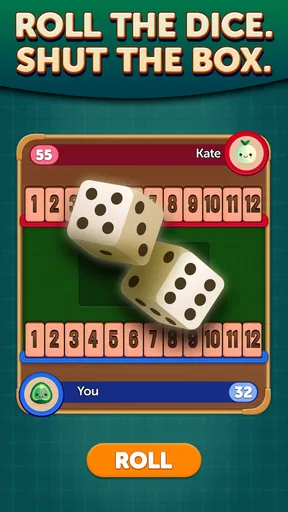
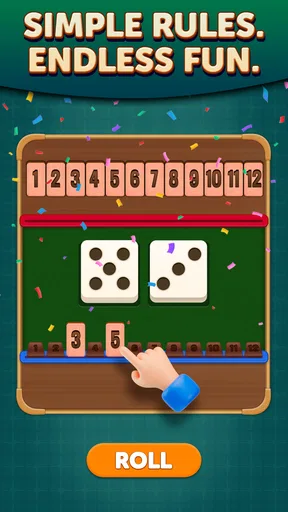
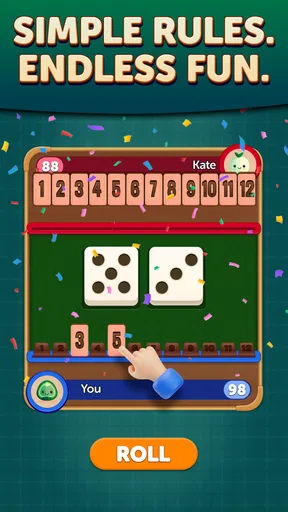
Alright, let's dive right into what makes Shut The Box so captivating. The game's premise is straightforward. You start with a box of numbered tiles, usually from 1 to 9. The goal? Roll the dice and "shut" or flip down as many tiles as possible by matching the numbers rolled. It's a sweet blend of luck and strategy, making it inviting for both gamers and casual players alike.
Gameplay and Features
One of the first things you'll notice about the app is its user-friendly interface. It’s all about simplicity here, with a clean design that focuses on the board and dice. You can easily jump into a game with just a few taps, which is perfect for those quick breaks during the day.
Now, while the game might seem simple, it offers various modes to keep things interesting. Whether you're competing against the AI or challenging friends online, each match feels fresh. Plus, the app includes a handy tutorial for newcomers, ensuring everyone can feel like a pro in no time.
Worth Reading Before You Choose

EA SPORTS FC Mobile 26 Is a Bigger Football Game, but It Takes Time

Flipboard Shows What News Apps Must Do Beyond the Feed

Switching to Android Auto Means Rethinking Your Driving Routine

Google Calendar Makes a Crowded Week Easier to Manage

Ludo King Makes the Most of the Minutes Between Plans

Baby Panda World Brings Quick Play to Modern Phones, but Its Game Library Feels Busy
The useful choices behind a simple roll
The decision-making is more interesting when I stop treating each roll as a race to remove the most tiles. A roll can often be represented by more than one combination of open numbers, and choosing between them changes what remains possible on later turns. When a combination leaves awkward values behind, a tempting immediate move may make the next roll harder to use. I try to look at the remaining board as a whole rather than automatically choosing the first valid match.
That makes the game a gentle way to practise addition and think ahead, but I would not call it a substitute for a full strategy board game. Chance still has a large say in how a round unfolds. If you enjoy making a small decision under uncertainty, that balance is the point; if you want a game where planning consistently outweighs luck, this may feel too light.
A useful way to make a short session feel purposeful is to set yourself a small personal challenge before starting: aim to leave fewer tiles, or pay attention to which choices keep more options open. You do not need a complex scoring system to get something out of a round. The exercise is in noticing how your choices affect the next turn, not in pretending every unlucky roll could have been avoided.
Visuals and Sound
Visually, the game does justice to its classic roots. The graphics are crisp, with a charming digital recreation of the wooden box and dice. It’s nothing too flashy, but that’s precisely the point. The focus remains on gameplay, without unnecessary distractions.
As for the sound, it's subtle yet effective. The gentle clatter of dice and soft clicks of tiles flipping down are satisfying, adding an authentic touch to the digital experience. It’s all about creating that cozy, nostalgic vibe.
That restrained presentation is a good fit when I want to glance at a game and understand the state of the board quickly. It also means the audiovisual style is not likely to be the main reason to keep playing. If you prefer elaborate animation, lots of unlockable visual variety, or a dramatic atmosphere, a more feature-rich board game will probably give you more to look at. Here, the appeal is the decision itself.
Where it fits in an ordinary day
Picture a short wait before an appointment: I can open the game, play a round, and put my phone away without needing to coordinate a group or remember a long campaign. At home, it can also work as a quick turn-taking activity with a child who is practising number combinations. The easy-to-grasp objective helps get a game moving, while the roll gives each player a different problem to solve.
For family use, I would treat it as a prompt for conversation rather than a guaranteed learning tool. Asking a child which tiles could add up to a roll makes the arithmetic visible, but the dice still decide what choices appear. For a solo break, the same moment can be a small planning puzzle. It is most useful when a few minutes are enough; it is less suitable when you need an activity to fill a whole evening.
One practical trade-off of a digital version is that it is available on the phone, but that does not automatically make it better for a group sitting around a table. If everyone is sharing one screen, players may need to take turns around the device, and the physical version can be more natural for people who enjoy handling dice and tiles together. I would choose the app for convenience and the tabletop game for a more tactile social occasion.
Who gets the most from it
I would recommend trying it if you like compact board games, enjoy basic probability and arithmetic, or want something that can be picked up without a long rules explanation. It is also a reasonable option for someone who remembers the traditional game and wants a portable version. The Everyone age rating supports its broad appeal, though a younger player may still benefit from having the sums explained at first.
I would skip it if your main goal is a sprawling solo campaign, a complex competitive ladder, or a game that rewards long-term planning more than dice luck. It may also be the wrong choice if you dislike repeating a compact round structure or prefer to play with physical components. The store summary calls it a classic dice strategy game, but the actual attraction is modest, quick decision-making rather than a large catalogue of systems.
Compared with common mobile board-game alternatives, this is narrower and easier to enter than a full digital board game with a map, many rules, or a long match. Compared with a basic dice roller, it gives the roll a clear purpose: the tiles turn arithmetic into a sequence of choices. That middle ground is its strongest case. Players who want broad variety should look elsewhere; players who want one small, understandable challenge may appreciate that it gets to the point.
Visuals and Sound
Visually, the game does justice to its classic roots. The graphics are crisp, with a charming digital recreation of the wooden box and dice. It’s nothing too flashy, but that’s precisely the point. The focus remains on gameplay, without unnecessary distractions.
As for the sound, it's subtle yet effective. The gentle clatter of dice and soft clicks of tiles flipping down are satisfying, adding an authentic touch to the digital experience. It’s all about creating that cozy, nostalgic vibe.
That restrained presentation is a good fit when I want to glance at a game and understand the state of the board quickly. It also means the audiovisual style is not likely to be the main reason to keep playing. If you prefer elaborate animation, lots of unlockable visual variety, or a dramatic atmosphere, a more feature-rich board game will probably give you more to look at. Here, the appeal is the decision itself.
Why You'll Love It
Shut The Box is one of those games that fits perfectly into a busy schedule. You don’t need to commit hours; just a few minutes here and there can be incredibly rewarding. It’s also a great way to sharpen your mental math skills without feeling like you're doing homework.
Another highlight is its social feature. Playing with friends or family, whether in the same room or across the globe, adds a layer of fun that keeps you coming back. And let’s not forget the thrill of beating your own high score or climbing the leaderboard.
Those options make it easier to choose between a solitary puzzle and a shared contest, but I would still decide based on the company and the time available. A quick solo round is the simplest fit for a brief break. If you are inviting friends, agree on how long you want to play before starting; a lightweight game can still stretch on when everyone wants another go. The social side is best for people who enjoy friendly rematches, not for anyone expecting a deep online community.
For a newcomer, I would use the tutorial as a starting point, then play a few rounds slowly instead of trying to optimise every move immediately. The first useful habit is to compare the available combinations before closing tiles. That gives you a feel for how the board changes without turning a casual game into homework. It also helps younger players learn the basic arithmetic through actual choices rather than a separate drill.
Final Thoughts
All in all, Shut The Box offers a delightful blend of nostalgia and modern convenience. It's a game that can be enjoyed by all ages, from kids who are learning basic math to adults looking for a nostalgic trip down memory lane. The app successfully captures the essence of the traditional game while adding a few modern twists to keep things lively.
So, next time you're scrolling through the app store, give Shut The Box a try. It might just become your new favorite way to unwind. And hey, who doesn't love a game that’s both fun and a little educational?
My buying advice is simple: start with the free version and judge whether the core rounds hold your attention before spending anything. Since the in-app purchase range runs from $0.49 to $49.99 per item, I would check the individual purchase details carefully rather than assuming an item is needed to enjoy the game. If a few quick rounds give you the mix of arithmetic, luck, and light planning you want, it offers a convenient way to revisit a classic. If they leave you wishing for more variety or control, your money and time are better spent on a different board game.
Pros
- Simple rules and quick to learn.
- Enhances math and strategy skills.
- Suitable for all ages.
- Offline play available.
- Visually appealing and intuitive UI.
Cons
- Limited replay value over time.
- No multiplayer online mode.
- Ads can be intrusive.
- Lacks customization options.
- Sound effects are repetitive.
FAQs for Shut The Box
What is Shut The Box?
Shut The Box is a classic dice game available on both Android and iOS platforms. It’s a fun and engaging game where players roll dice and strategically lower numbered tiles. The objective is to "shut" all the tiles by the end of your turn. It’s perfect for quick gameplay sessions and helps improve strategic thinking.
Is Shut The Box suitable for all ages?
Yes, Shut The Box is designed to be family-friendly and is suitable for players of all ages. The game’s simple rules and quick setup make it accessible to both children and adults, providing a fun and educational experience that encourages number recognition and strategic planning skills.
Does Shut The Box require an internet connection?
Shut The Box can be played offline, making it an excellent choice for users who want to enjoy gaming on the go without relying on an internet connection. However, certain features, like leaderboards or multiplayer modes, may require internet access to function properly.
Are there any in-app purchases in Shut The Box?
Yes, while Shut The Box can be downloaded for free, it may offer in-app purchases. These typically include additional game modes, themes, or ad-removal options. It’s advisable to check the app description on the store page for detailed information on any available purchases.
How does Shut The Box help with cognitive skills?
Shut The Box is an excellent tool for enhancing cognitive skills such as strategic thinking, number recognition, and decision-making. By deciding which tiles to shut based on dice rolls, players can develop their mathematical skills in a fun and interactive way. It’s a great choice for educational gaming.


